Roof Tarping and Temporary Repairs in Florence, SC
A tarp is a short-term cover that keeps rain out while a permanent repair is arranged. Here is when it makes sense, how it should be done and where it falls short.
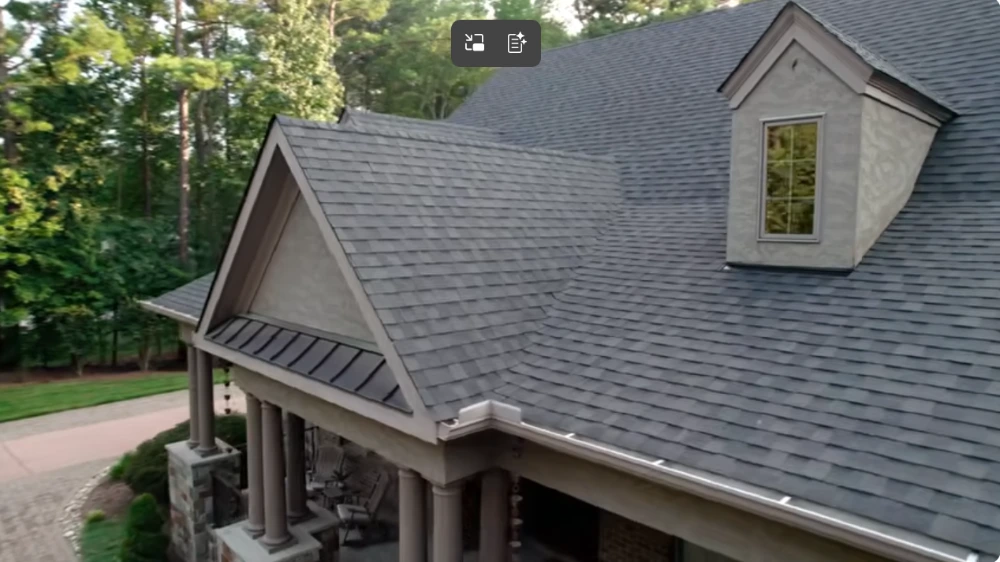
What is roof tarping?
Roof tarping covers damaged roof areas with heavy-duty waterproof sheeting that is secured to the roof to keep rain out temporarily. It is a stopgap after storm damage, a fallen limb or a failed section, not a permanent fix. To discuss whether a tarp suits your roof, call Florence Roof Care at +1 (854) 205-5010.
Situations where a tarp makes sense
- Missing shingles or panels after a wind event
- A puncture from a fallen branch
- Storm damage while waiting for an insurance adjuster
- Material delays before a repair can be scheduled
A tarp is often paired with photos of the damage, which can help support a claim. See our roof insurance claim guide for the general process.
What a sound temporary cover involves
- Clear loose debris from the damaged area so the cover lies flat.
- Extend the sheeting past the damage and over the ridge where possible so water sheds away from the opening.
- Secure it on solid framing using battens or boards rather than leaving edges to flap in wind.
- Avoid pooling. Water that collects on a tarp adds weight and finds its way underneath.
- Plan the permanent repair. Sun and wind wear tarps down, so they should not be left in place indefinitely.
What a tarp cannot do
A tarp does not repair damaged decking, flashing or underlayment, and heavy wind can lift poorly secured sheeting. Because Florence summers are hot and humid, moisture trapped under a cover can also keep materials damp. Plan for an inspection and a proper repair soon after.
If the cause is a leak rather than an obvious storm opening, start with our roof leak repair guide.
What to ask before agreeing to a tarp
- What materials and fastening method are used, and will they damage the shingles?
- Is the tarp priced separately from the permanent repair?
- How long should it stay in place?
- Will you document the damage with photos?
What to ask about the materials and fastening
Not every cover is equal. Thin, lightweight sheeting can tear or shred in wind and break down quickly in strong sun. When you talk to a roofer, ask what the sheeting is made of, how thick it is and how it will be fastened.
- Overlap: the cover should extend beyond the damaged area and past the ridge where possible so water runs off it, not under it.
- Fastening: edges held down with boards or battens on solid framing last longer than loose corners.
- Slope and pooling: water that collects on a cover adds weight and works its way underneath.
- Roof type: a pitched shingle roof, a metal roof and a flat roof each need a different approach.
What the permanent repair still has to address
A cover keeps rain out; it does not fix the cause. The permanent repair may involve replacing decking, shingles or panels and renewing flashing. Compare repair options with shingle roof repair or roof replacement if the damage is widespread.
Common questions
How long can a tarp stay on a roof?
It is designed as a short-term measure. Ask your roofer for a realistic timeline, since sun, wind and rain wear it down.
Does tarping damage shingles?
Careless fastening can. Ask how the cover is secured and whether it will be nailed through intact shingles.
Will insurance cover tarping?
Many policies address reasonable temporary protection, but terms vary. Check your policy and ask your insurer.
Can a tarp stop all leaks?
Not always. It reduces water entry but does not fix the underlying damage.
Need to talk through temporary protection?
Call to discuss your roof and your options for temporary cover.
Call: +1 (854) 205-5010
Florence Roof Care, 2732 TV Rd, Florence, SC 29501
Florence Roof Care · 2732 TV Rd, Florence, SC 29501 · +1 (854) 205-5010
Sources for this page: