How to Tell if Your Roof Is Leaking (and Where It Is Coming From)
A stain on the ceiling is only the last clue. Here is how to read the signs, tell a roof leak from plumbing or condensation, and trace the water back toward its source, safely, from the ground and the attic.
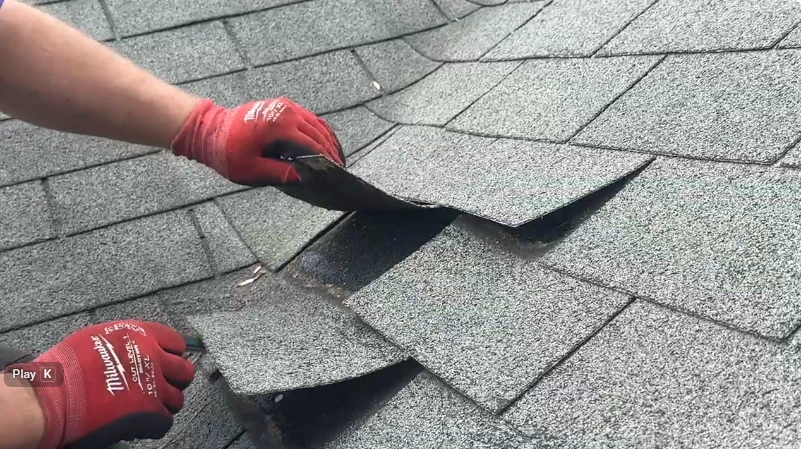
How do you know if your roof is leaking?
The clearest signs are ceiling or wall stains that grow after rain, bubbling or peeling paint, dripping or damp spots in the attic, wet or matted insulation, and shingle damage you can see from the ground. A leak usually enters higher than where it shows up inside, because water travels along rafters and decking first. Finding the real entry point takes an attic check and a roof inspection.
What are the signs of a roof leak?
| What you see | What it usually means | How urgent |
|---|---|---|
| Yellow or brown ring on the ceiling that grows after rain | Water has come through more than once and is spreading | High. Act this week |
| Dripping, or a bulging, sagging ceiling | Water is pooling above the drywall | Urgent. Contain it now |
| Bubbling, peeling, or discolored paint near the top of a wall | Moisture is getting behind the surface, often near the roofline | High |
| Damp, matted, or dark insulation in the attic | An active or recent leak, or condensation | High |
| Daylight through the roof boards | A hole or gap in the roof system | High |
| Musty smell in a room or attic with no obvious drip | Hidden moisture, possibly mold | Medium to high |
| Missing, curled, or cracked shingles; granules in gutters | The roof’s weather barrier is weakening | Medium. Inspect soon |
Where is the leak actually coming from?
Water rarely drips straight down from the hole. Think of it as a path, not a point.
- Start at the stain and go up. Look at what is directly above it on the roof: a pipe vent, a chimney, a wall joint, a valley, a skylight.
- Check the attic on a dry day. Take a flashlight. Look for dark or stained decking, rusty nail tips, damp insulation, and daylight. Follow wetness uphill along the rafters.
- Think about wind. If it only leaks in storms, wind-driven rain is probably getting under shingle edges or behind flashing.
- Look at the roof from the ground. Binoculars help. Missing shingles, lifted ridge caps, damaged flashing, and limbs are easy to spot.
- Leave the roof to a pro. Roofs and ladders are where many homeowner falls happen.
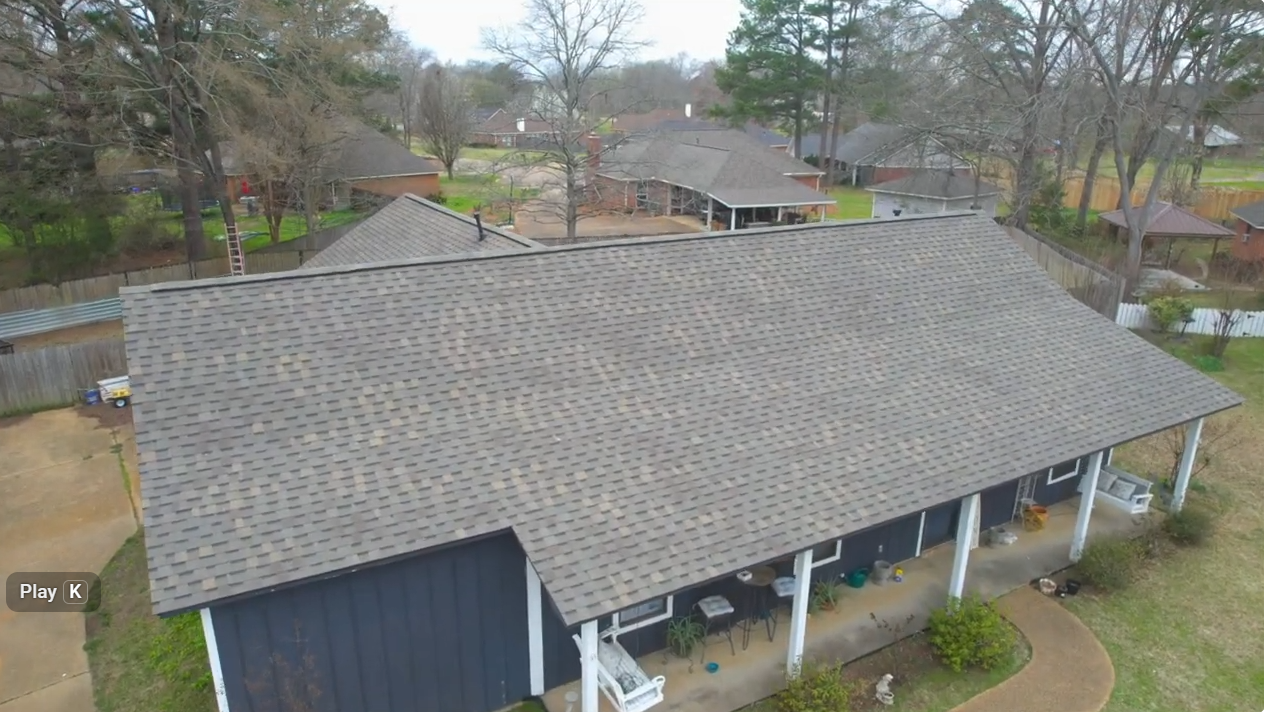
Do not climb up to look
A wet roof is slick, and a fall costs far more than a leak. Use binoculars, the attic, and a flashlight. If you need a closer look, a roofer should do it.
Is it the roof, plumbing, or condensation?
Roof leak
Shows up during or after rain. Often worse in wind. Stains near exterior walls, chimneys, vents, or the roofline. Attic decking or insulation is wet near the roof.
Plumbing or AC
Can appear on dry days. Often near bathrooms, kitchens, water heaters, or the air handler. A clogged AC condensate line can drip for days.
Attic condensation
Damp insulation, frost-like moisture, or rusty nail tips even without rain. Humid Florence summers and poor ventilation make it more likely.
Why do Florence roofs leak when they do?
Heat bakes pipe boots and shingles. Thunderstorms push wind-driven rain into gaps. Tropical systems soak the Pee Dee for days. When Hurricane Florence stalled in 2018, the National Weather Service reported about 7.6 inches of rain in Florence. A long soak like that finds any cracked boot, loose flashing seam, or tired shingle.
Older homes add another layer. Many Florence houses have second or third roofs on decks and flashing that are decades old, so the weak spots multiply.
What should I do tonight?
- Put a bucket or trash can under any drip
- Move furniture and electronics out of the way
- Keep clear of wet light fixtures and outlets
- Take dated photos of the stain, the attic if safe, and any outdoor damage
- Dry wet materials quickly. The EPA recommends within 24 to 48 hours to prevent mold
Then book an inspection. For a detailed look at the repair itself, see Roof Leak Repair in Florence, SC →.
When should I call a roofer?
Call when you see an active drip, a growing stain, damp attic insulation, daylight through the deck, or shingle damage after a storm. For roofing repair in Florence, an inspection tells you whether it is a small fix or a bigger problem, and it gives you photos and a written scope before any money changes hands.
Not sure whether to patch or replace? Read roof repair or roof replacement: how to decide. After a storm? See storm damage roof repair in Florence. For the full picture of roof repair, go to roof repair in Florence, SC.
Roof leak questions Florence homeowners ask
How can I tell if it is a roof leak or a plumbing leak?
Timing and location help. Roof leaks usually show up during or soon after rain, and stains often sit near an exterior wall, chimney, or roof penetration. Plumbing leaks can show up any day, often near a bathroom, kitchen, or water heater. If the stain appears on a dry day, check plumbing and your AC condensate line first. An attic check usually settles it.
Is a brown ring on the ceiling always a roof leak?
Not always, but it is a strong sign of water that has come through more than once. The ring forms as water dries and leaves minerals and dirt behind at the edge. Rings that grow after rain point to the roof. Rings near plumbing or an air handler point elsewhere.
How fast should I act on a roof leak?
Quickly. EPA guidance is to dry water-damaged materials within 24 to 48 hours to prevent mold growth. Wet insulation and drywall can hold water long after the rain stops. Contain the water, photograph the damage, and call for an inspection.
Can a roof leak without a visible stain?
Yes. Water can soak insulation and decking in the attic for a long time before anything shows on the ceiling. Dark decking, matted or damp insulation, rusty nail tips, and a musty smell in the attic are early warning signs.
Why did my roof start leaking after a storm even though it never leaked before?
Storms expose weak spots. Wind can lift shingle edges and push rain underneath, limbs can crack flashing, and long soaking rain finds old pipe boots and aged sealant. Your roof may have been close to leaking for a while. If the storm caused sudden damage, document it before cleanup and read the insurance section of our claim help guide.
Not sure where the water is coming from?
Call to talk through what you are seeing. Photos of the stain and the attic help when you describe the problem to a roofer.
Call: +1 (854) 205-5010
Florence Roof Care, 2732 TV Rd, Florence, SC 29501
Florence Roof Care · 2732 TV Rd, Florence, SC 29501 · +1 (854) 205-5010
Sources for this page:
- U.S. EPA: A Brief Guide to Mold, Moisture and Your Home
- National Weather Service Wilmington: Hurricane Florence
- SC DNR State Climate Office: Hurricane Florence data
- National Weather Service, Wilmington office: storm records for the Florence area